
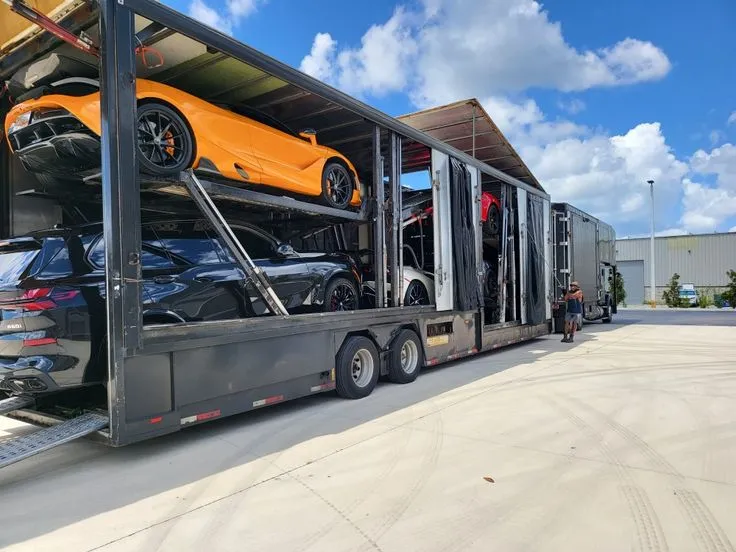
When shipping a vehicle, one of the first decisions you may need to make is whether to use open or enclosed auto transport.
Both options can be useful, but they are designed for different transportation needs. Understanding the difference can help you choose the service that best fits your vehicle and priorities.
What Is Open Car Transport?
Open car transport uses an open vehicle carrier. Multiple vehicles are typically transported together on the same trailer.
This transportation method is widely used for standard vehicles such as cars, SUVs, and pickup trucks. It can be a practical choice when affordability and availability are important considerations.
For many everyday vehicles, open transport provides a straightforward way to arrange long-distance vehicle shipping.
What Is Enclosed Car Transport?
Enclosed car transport uses a carrier with covered or enclosed transportation space. This provides additional protection from outdoor exposure during transit.
Enclosed transportation can be particularly appealing for:
- Luxury vehicles
- Classic cars
- Collector vehicles
- Exotic cars
- High-value automobiles
- Vehicles requiring additional protection
Because enclosed carriers generally transport fewer vehicles than open carriers, the service may have different pricing and availability.
Open vs. Enclosed Transport
The primary difference is the transportation environment.
With open transport, the vehicle travels on an open carrier and is exposed to normal outdoor conditions.
With enclosed transport, the vehicle is transported inside a covered carrier, providing an additional layer of protection from weather and road conditions.
Neither option is automatically the right choice for every vehicle. The best option depends on the type and value of the vehicle, the customer’s preferences, the route, and the transportation arrangements available.
Which Option Should You Choose?
If you’re shipping a standard daily-use vehicle, open car transport may be a practical option.
If you’re shipping a classic, luxury, exotic, or collectible vehicle, you may prefer enclosed transportation because of the additional protection offered by the enclosed carrier.
Customers should consider the vehicle’s value, condition, transportation distance, and desired level of protection before choosing a service.
Preparing for Vehicle Shipping
Regardless of the transportation method, preparation is important.
Before pickup:
- Remove personal belongings.
- Remove unnecessary accessories.
- Check the vehicle’s general condition.
- Photograph the exterior and interior.
- Make sure the vehicle is accessible for pickup.
- Tell the transportation provider about special circumstances.
If the vehicle does not run, has very low clearance, has oversized modifications, or requires special handling, communicate this before transportation arrangements are finalized.
Choosing a Reliable Auto Transport Provider
A good vehicle shipping experience begins with clear expectations.
Before booking, ask questions about pickup arrangements, delivery expectations, pricing, payment terms, vehicle preparation, and the company’s role in the transportation process.
For interstate transportation, FMCSA provides consumer guidance concerning auto transporters and brokers, including the importance of verifying applicable registration information.
Vehicle Transport in Hialeah, Florida
Titan Vehicle Transport serves customers looking for vehicle shipping solutions from Hialeah, FL and transportation routes beyond South Florida.
Whether you need standard open transportation or additional protection through enclosed transport, the goal is to make arranging vehicle transportation simple and straightforward.
Call (786) 841-9178 to discuss your vehicle shipping needs.